
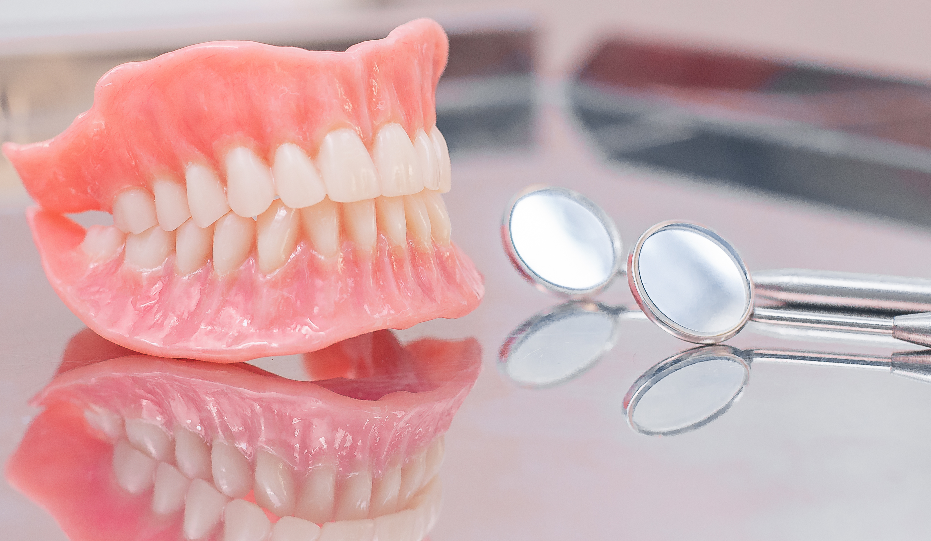
When you lose a tooth, it’s about more than just appearance—your oral health begins to change beneath the surface. Two of the most common replacement options are dentures and dental implants, and while both restore function and aesthetics, they work very differently.
Dentures are removable prosthetics that rest on the gums, while dental implants are surgically placed into the jawbone to act as artificial tooth roots. This key difference plays a major role in long-term oral health, especially when it comes to bone preservation.
What Happens to Your Jawbone After Tooth Loss?
Your jawbone depends on stimulation from tooth roots to stay strong and healthy. Every time you chew, those roots send signals that help maintain bone density.
When a tooth is lost, that stimulation disappears. Over time, the jawbone in that area begins to shrink in a process called bone resorption. This can lead to changes in facial structure, including a sunken appearance, shifting teeth, and difficulty maintaining a stable bite.
This is where the choice between dentures and implants becomes especially important.
Can Dentures Prevent Bone Loss?
The short answer is no—traditional dentures do not prevent bone loss.
Because dentures simply sit on top of the gums without stimulating the underlying bone, the jaw continues to deteriorate over time. In fact, as bone loss progresses, dentures may gradually become less stable and require adjustments or replacements to maintain a proper fit.
Some patients may use implant-supported dentures, which combine the stability of implants with the coverage of dentures. These can help reduce bone loss in areas where implants are placed, but traditional removable dentures alone do not preserve jawbone structure.
Why Dental Implants Help Preserve Bone
Dental implants are the only tooth replacement option that actively supports jawbone health. Because the implant post is anchored directly into the bone, it mimics the function of a natural tooth root.
This stimulation helps maintain bone density and prevents the shrinkage that typically occurs after tooth loss. Over time, this can support better facial structure, improved bite strength, and greater long-term stability.
For many patients, this makes implants a preferred option when long-term oral health is the priority.
Comparing Long-Term Benefits
While dentures are often more affordable upfront and do not require surgery, they come with certain limitations. They may shift during eating or speaking, require adhesives, and need periodic adjustments due to ongoing bone changes.
Dental implants, on the other hand, are designed to function more like natural teeth. They offer improved stability, chewing efficiency, and bone preservation. However, they do require a surgical procedure and a longer healing period.
Choosing between the two often depends on bone health, budget, lifestyle, and long-term goals.
Finding the Right Solution for You
Every patient’s situation is different, and the best tooth replacement option depends on your unique oral health needs. A dental professional can evaluate your jawbone, discuss your goals, and help determine whether dentures, implants, or a combination approach is most appropriate.
In many cases, early intervention after tooth loss can improve your options and help preserve more of your natural bone structure. Understanding how these treatments work empowers you to make a confident, informed decision about your smile.
About the Practice
At Washington DC Dentistry, Dr. Sai Kham is known for providing comprehensive, patient-centered care in a modern and welcoming environment. With advanced clinical training and experience in general and restorative dentistry, he focuses on delivering high-quality treatment using the latest dental technology while ensuring every patient feels heard, respected, and comfortable. Dr. Kham is especially recognized for his one-on-one approach, taking time to clearly explain treatment options and tailor care to each individual’s needs. The practice emphasizes a pressure-free, education-driven experience designed to build long-term relationships and support patients in achieving and maintaining healthy, confident smiles.
Call us at (202) 677-0456 or schedule your appointment online.