
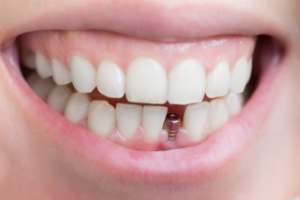
Metal is an incredibly strong substance, which is why it’s so often used to hold up buildings. But, as you might be aware, metal can rust – particularly when it gets wet. Since dental implant restorations usually have metal components, you might be doing some mental math: wouldn’t a metal implant + being placed in the mouth = rust?
Possibly, but not exactly. Here’s why you don’t have to be overly concerned about your dental implant restoration rusting.
The Science of Rust
Before answering the question “Do dental implants rust?” it’s important to know why metals rust. Essentially, three chemical components interact to create the perfect storm: iron, oxygen, and electrolytes.
The types of metals that are vulnerable to rusting contain iron. When iron comes into contact with enough oxygen, it starts to deteriorate through a process called oxidation. During oxidation, water acts as a catalyst. Salt and other electrolytes present in water dissolve and develop a positive or negative charge, which destabilizes the electrons in iron and forces them to interact with oxygen.
Oxidation isn’t always harmful. In some metals, such as copper, it causes an aesthetically pleasing, greenish patina to form. It just so happens that when oxidation involves iron, the reaction creates the reddish, flaky substance known as rust.
Titanium Dental Implants & Rust
Now, the saliva in your mouth does contain electrolytes that can trigger oxidation. And the titanium alloy used for dental implant posts does contain trace amounts of iron.
However, titanium has a unique makeup that creates an equally unique reaction to oxygen. Instead of forming rust, titanium forms an invisible film that actually protects it from rust!
Conclusion: Dental Implants are Rust-Resistant
Because of the trace amounts of iron in the titanium alloy, dental implants have a small risk of rusting. Overall, though, they are incredibly rust-resistant and are far more likely to last you a lifetime.
If you experience pain near your implant site, notice bleeding or pus, or develop other abnormal symptoms, it’s a good idea to visit your dentist ASAP. But rusty dental implants are by no means typical!
About the Author
Dr. Sai N. Kham is a highly experienced dentist, and strongly believes in forming a patient-doctor relationship based on trust. If you’re considering replacing your missing teeth with dental implants, he’ll readily lay out all of the pros and cons so you can make an informed decision. To schedule a consultation with Dr. Kham, contact his office at 202-677-0456.